問題背景
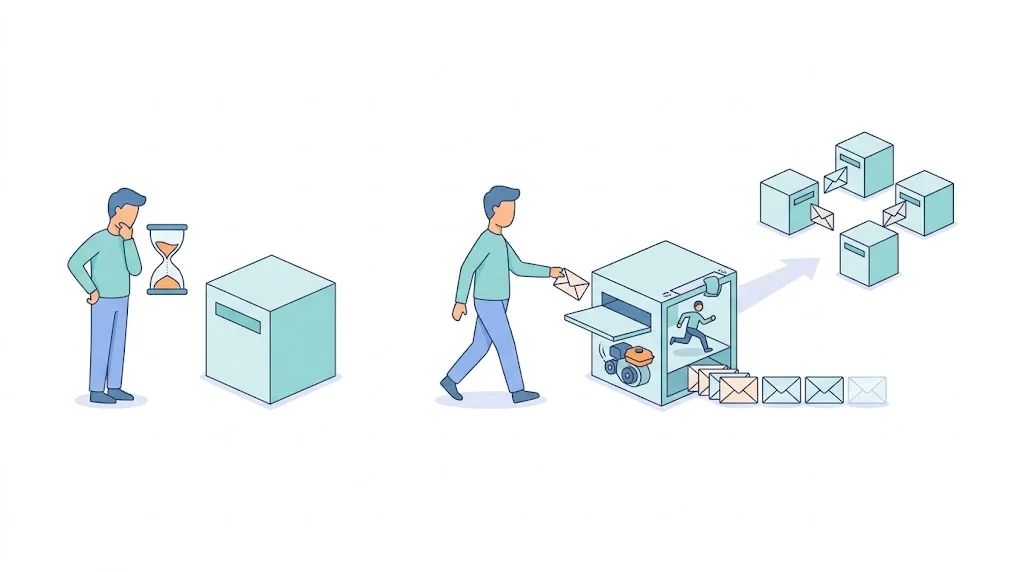
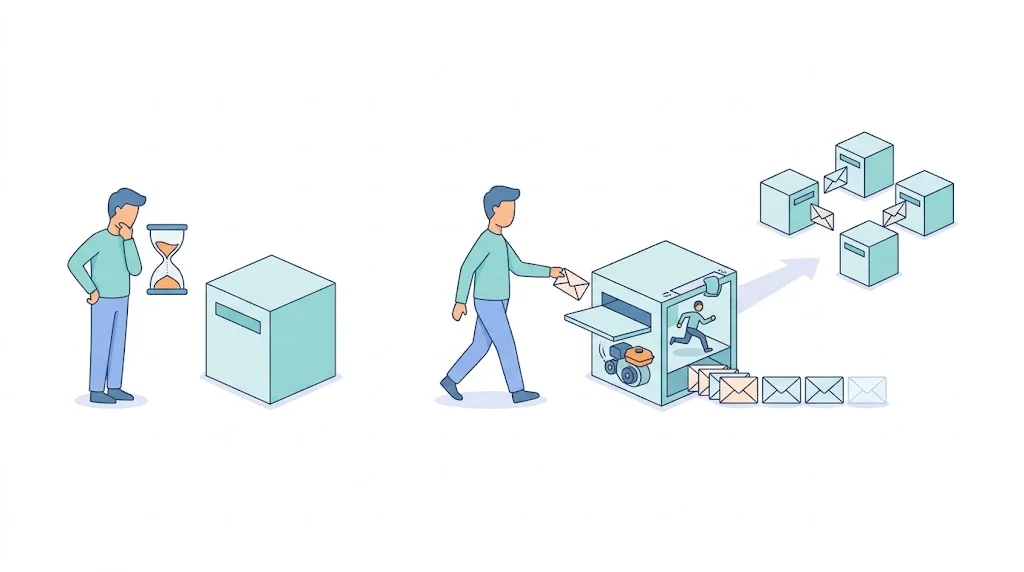
多個 thread 同時呼叫同一個物件的 method,需要鎖機制保護共享狀態——加了鎖就有 deadlock 風險、lock contention,加了 lock 又讓 client 等待。
Active Object 的解法:物件有自己的 thread(activation thread)和 message queue(activation list)。外部呼叫 method 不是直接執行,而是把呼叫封裝成 message 放進 queue,物件自己的 thread 從 queue 取出來依序處理。
結構
Client → [proxy.doWork()] → ActivationList (Queue)
                                    ↓
                           Activation Thread(物件的私有 thread)
                                    ↓
                             real Object.doWork()
                                    ↓
                             Future(呼叫者可以等待結果)
概念實作(Java)
import java.util.concurrent.*;

class ActiveAccount {
    private final ExecutorService executor = Executors.newSingleThreadExecutor();
    private int balance;

    public Future<Integer> getBalance() {
        return executor.submit(() -> balance);
    }

    public Future<Void> deposit(int amount) {
        return executor.submit(() -> {
            balance += amount;
            return null;
        });
    }

    public Future<Boolean> withdraw(int amount) {
        return executor.submit(() -> {
            if (balance >= amount) {
                balance -= amount;
                return true;
            }
            return false;
        });
    }
}

// 使用
ActiveAccount account = new ActiveAccount();
account.deposit(100).get();  // 等待完成
Future<Boolean> result = account.withdraw(50);  // 非同步
// 做其他事...
boolean success = result.get();  // 需要時再等結果
和 Actor Model 的關係
Active Object 是 Actor Model 的前身(Hewitt 1973)。Erlang 的 process、Akka 的 Actor、Go 的 goroutine + channel——都是 Active Object 思想的不同實現:
- Actor 有自己的 mailbox(= Active Object 的 activation queue)
- Actor 透過 message 通信(= Active Object 把 method call 轉成 message)
- Actor 的狀態只有自己能存取(= 不需要鎖)
適用場景
- 需要 thread-safe 的有狀態物件(不想用 lock)
- 需要 async method call 和 future/promise 語意
- 狀態機的實作(state 只在 activation thread 裡修改)
現代語言的 async/await 和 event loop(Node.js、Python asyncio)是 Active Object 概念的語言層抽象——event loop 就是 activation queue,async function 就是 message。
接下來往哪走
- Producer-Consumer Pattern:解耦生產者和消費者的速度差異 — Active Object 的 activation queue 本質就是 Producer-Consumer
- O 的底層模型 — 同樣走「事件 + queue」路線,但解的是 I/O 問題
- await:JavaScript 的非同步機制揭秘 — 語言層怎麼把這個概念做成日常語法